

Embracing Minimalism:
The Unique Appeal of Japanese Influenced Homes in Australia
There’s a reason so many people are drawn to Modern Japanese design when they’re planning a forever home. It’s not loud. It doesn’t chase trends. It’s quietly confident, warm, minimal, and deeply intentional. From a building designer’s point of view, it’s also one of the most rewarding styles to design well, because every line, junction and material choice matters.
At BKD Developments, we’re seeing more Australian clients asking for homes that feel calm, connected to nature, and uncluttered, without feeling cold or clinical. Modern Japanese style delivers exactly that, when it’s translated properly for our climate, lifestyle, and building rules. Explore more about Japanese design.
Understanding Japanese Modern Design

Exploring Japanese modern design reveals a fascinating blend of tradition and simplicity. This style, with its minimalist approach and focus on natural materials, has become increasingly popular in modern architecture.
Origins of Japanese Design
Japanese design traces its roots back to ancient traditions. It emphasizes harmony with nature and balance in daily life. The simplicity and functionality found in traditional Japanese homes continue to influence modern interpretations. These principles focus on creating spaces that feel both peaceful and functional, making them appealing in today’s fast-paced world.
It evolved from centuries of Japanese building traditions, think minka farmhouses, sukiya-style refined timber architecture, Zen principles, and the idea of living in rhythm with seasons.
Those traditional buildings prioritised:
-
lightweight timber construction,
-
deep eaves,
-
flexible rooms,
-
natural ventilation,
-
and a seamless relationship with gardens.
As Japan modernised, architects began blending these traditions with global Modernism (clean geometry, open plans, new materials). The result is what we now recognise as “Modern Japanese”: contemporary architecture that still honours nature, craft, and calm.
In Australia, that’s a very natural fit. Our best homes already focus on climate response, shade, breeze, orientation and outdoor living. Modern Japanese design simply gives that approach a more refined, pared-back aesthetic.
Influential Japanese Architects
Several well-known Japanese architects have shaped this design style. Architects like Tadao Ando and Kengo Kuma are renowned for their ability to merge modern architecture with traditional values. Their work often features clean lines and open spaces, creating environments that feel both serene and contemporary. These architects have helped bring Japanese modern design to the global stage, inspiring homeowners worldwide.
Distinctive Characteristics
Modern Japanese design is best described as minimalism with soul. It blends contemporary forms with the timeless principles found in traditional Japanese architecture: balance, proportion, natural materials, and a strong relationship to landscape.
Key hallmarks include:
-
Simplicity and restraint: fewer elements, but each one is considered.
-
Natural light as a material: soft, controlled daylight instead of harsh glare.
-
Indoor–outdoor flow: courtyards, gardens, verandah-like edges, and framed views.
-
Texture over decoration: timber grain, charred cladding, honed stone, limewash, raw concrete.
-
Function-led planning: spaces feel purposeful, not oversized for the sake of it.
-
A sense of “pause”: transitions between spaces, thresholds, and moments of quiet.
This isn’t about creating an empty white box. It’s about designing a home that feels grounded, where the atmosphere is the feature.
How it differs from other popular Australian styles
Clients often tell us they want something “minimal,” but not stark, and that’s where Modern Japanese design stands apart.
-
Compared to Scandinavian: both are minimal and timber-friendly, but Japanese modern tends to be more spatially intentional (thresholds, framing, ritual of movement) and often darker or moodier in palette.
-
Compared to Industrial: industrial celebrates exposed services and rawness; Japanese modern is still honest, but more refined and quiet.
-
Compared to Coastal/Hamptons: those styles lean decorative and bright; Japanese modern leans edited, earthy, and architectural.
-
Compared to Mid-century modern: mid-century is expressive and playful; Japanese modern is calmer, with fewer competing shapes.
If you want a home that feels like an exhale the moment you walk in, this style is hard to beat.
Materials and Techniques in Use
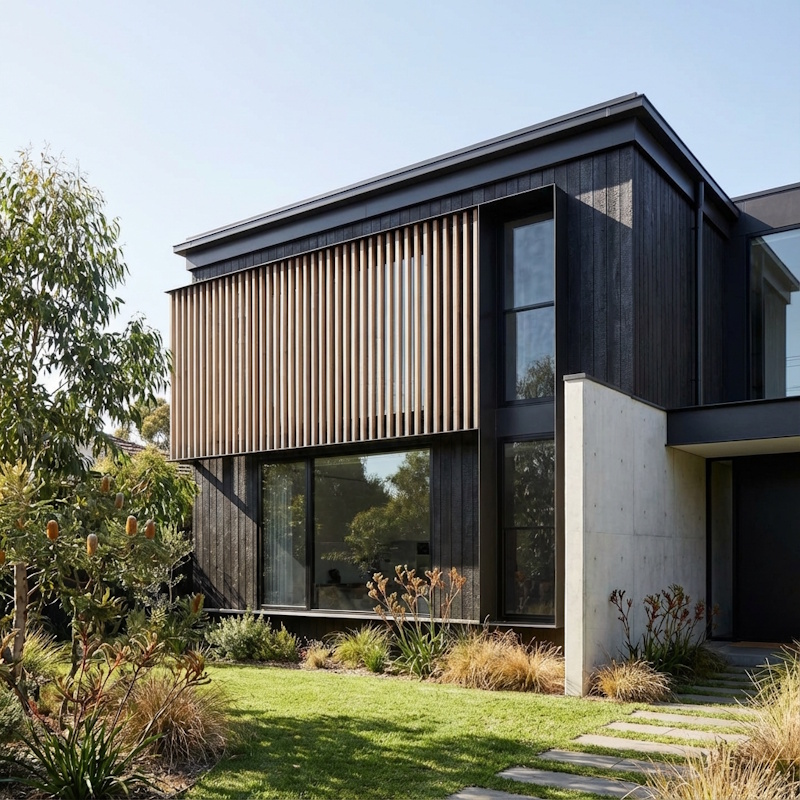
The materials and techniques used in Japanese modern design are as distinctive as the style itself. They emphasize sustainability and minimalism.
Shou Sugi Ban Cladding
One standout material is Shou Sugi Ban cladding. This traditional Japanese technique involves charring wood to preserve it. The result is a striking, durable finish that adds character to any home. Its use in modern architecture offers both aesthetic appeal and practical benefits, resisting weather and insects while requiring minimal maintenance. Learn more about Japanese-inspired architecture in Australia.
Sustainable Material Choices
Sustainability is a key consideration in Japanese modern design. Materials like bamboo and reclaimed wood are often used, reflecting a commitment to environmentally friendly practices. These choices not only reduce environmental impact but also enhance the natural beauty of the home. By incorporating such materials, homeowners can enjoy a space that feels both modern and grounded.
Minimalist Design Principles
Minimalism is at the heart of Japanese design. The principle of ‘less is more’ guides the creation of uncluttered, functional spaces. This philosophy encourages a focus on quality over quantity, ensuring each element serves a purpose. By simplifying your space, you can create a home that feels open and inviting, without sacrificing comfort or style. Explore the blend of Scandinavian and Japanese minimalism.
BKD Developments’ Approach
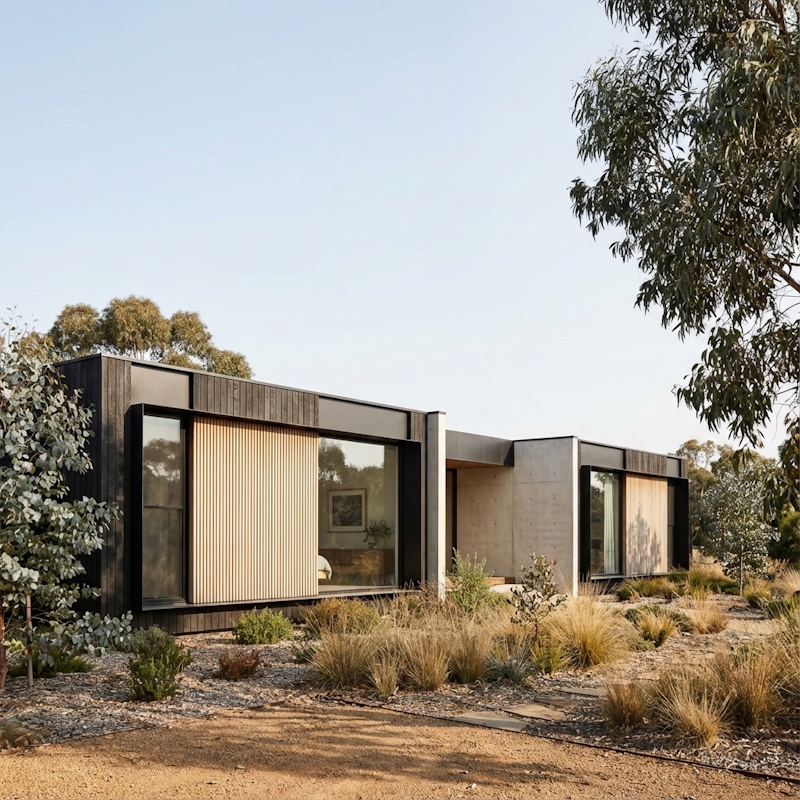
At BKD Developments, we understand the appeal of Japanese modern design and are here to help bring your vision to life.
Custom Home Design Process
Our custom home design process starts with understanding your unique needs and preferences. We work closely with you to ensure that every aspect of the design reflects your lifestyle and aspirations. From initial concept to final execution, we focus on creating a space that feels uniquely yours. This personalized approach ensures that each project is a true reflection of its owner.
Integrating Japanese Aesthetics
Integrating Japanese aesthetics into your home involves more than just choosing the right materials. It’s about creating a harmonious balance between form and function. Our team is skilled in blending traditional elements with modern design, resulting in spaces that feel both timeless and contemporary. By incorporating features like open floor plans and natural materials, we create homes that are both beautiful and practical.
Client Collaboration and Consultation
Client collaboration is key to our process. We believe that the best designs come from open communication and a shared vision. Throughout the project, we maintain a close partnership with you to ensure that every detail aligns with your expectations. This collaborative approach not only ensures a successful outcome but also makes the design process an enjoyable experience.
BKD Developments is committed to delivering innovative design solutions that exceed expectations. If you’re considering a Japanese influenced home, trust us to bring your vision to life with precision and creativity.