

The Secrets to a Great House Design (That Most People Never See)
When people think about house design, they usually picture floor plans, façades, finishes, and colours. But the truth is, the most important design decisions are often the ones you’ll never notice at first glance.
Great homes don’t just look good, they feel right to live in. And that comes from what happens long before the drawings reach council or construction begins.
Here’s what professional designers really focus on behind the scenes.
When you choose custom home design, you tap into insights that shape your lifestyle, not just your walls. Let’s walk through what really matters in your home design consultation and why working with experts makes all the difference.
Design Starts With Lifestyle, Not Rooms
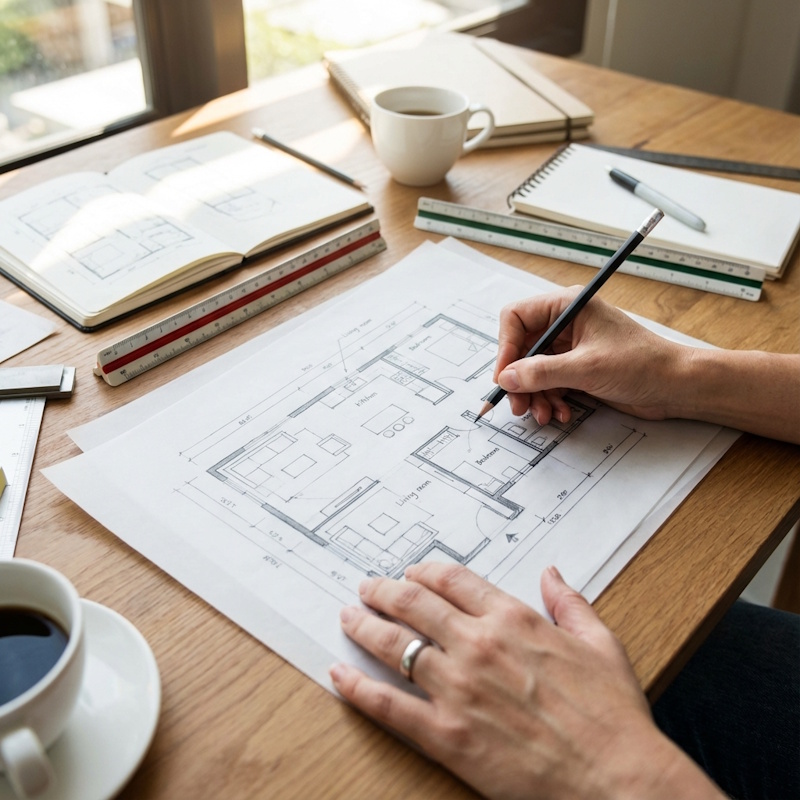
Understanding your unique lifestyle is the cornerstone of a successful home design. It guides us in creating spaces that truly work for you.
A well-designed home isn’t about how many bedrooms you have, it’s about how you live.
Before we draw a single line, we look at:
-
How your mornings start
-
Where you naturally gather as a family
-
Whether you entertain often or value quiet retreat
-
How your needs might change over time
Two families can build the same-sized home and need completely different layouts. When design begins with lifestyle, the result is a house that supports your routines effortlessly, instead of forcing you to adapt to it.
The Site Does Most of the Work
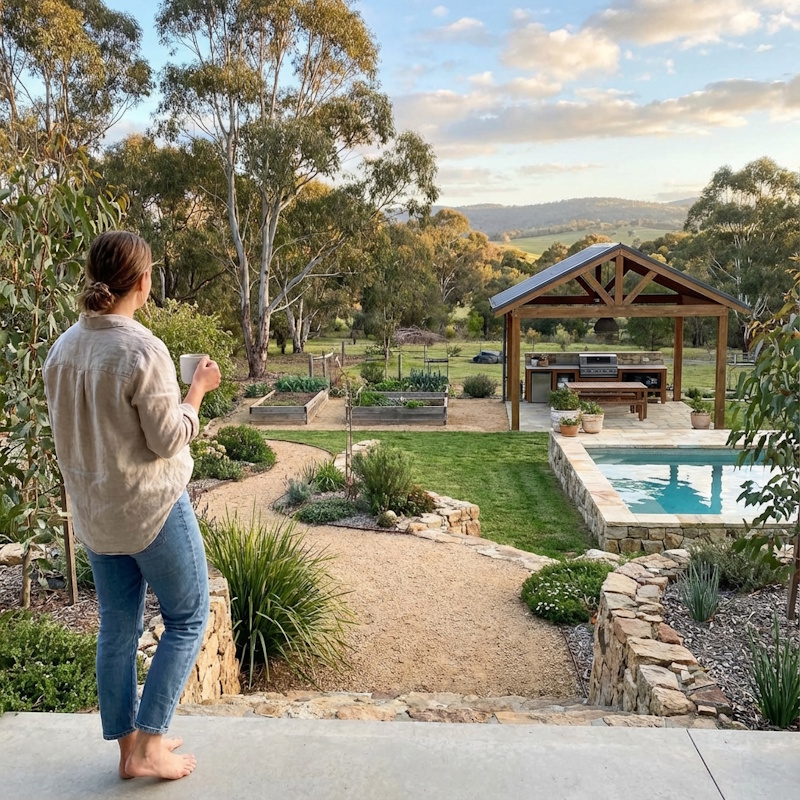
The best homes respond intelligently to their surroundings.
We carefully analyse:
-
Orientation and sun path
-
Slope and natural levels
-
Neighbouring properties and privacy
-
Views worth framing (and ones worth blocking)
-
Access points and site constraints
When a design works with the land rather than against it, everything improves, comfort, cost efficiency, and long-term value. A great site-responsive design can outperform a larger, more expensive home on a poorly considered block.
Flow, Proportion, and Feeling
You can’t always explain why a great home feels right, but you feel it the moment you walk in.
That comes down to:
-
Logical circulation between spaces
-
Balanced room proportions
-
Ceiling heights used intentionally
-
Sightlines that create openness without exposure
These are subtle design moves that don’t show up as a line item, but they define how calm, spacious, and intuitive a home feels day after day.
Light, Ventilation, and Comfort
Natural light and fresh air aren’t luxuries, they’re essentials.
Smart designers use passive design principles to:
-
Capture winter sun and reduce heating costs
-
Shade harsh summer light
-
Encourage cross-ventilation
-
Improve thermal comfort year-round
The result? A home that costs less to run, feels better in every season, and remains comfortable long after construction is finished.
Why a Designer Makes the Difference
Design is about far more than aesthetics.
A professional designer balances:
-
Visual appeal
-
Practical construction methods
-
Budget realities
-
Long-term performance
By considering all of this from day one, costly changes during construction are avoided, and the final result is cohesive, efficient, and buildable.
This is where real value is created.
The Real Benefit to You
The biggest success of a great house design isn’t how it photographs, it’s how it lives.
When design is done properly, your home:
-
Feels effortless to move through
-
Supports your lifestyle without thought
-
Remains comfortable and efficient
-
Stands the test of time
These are the secrets most people never see, but they’re what turn a house into a truly great home.